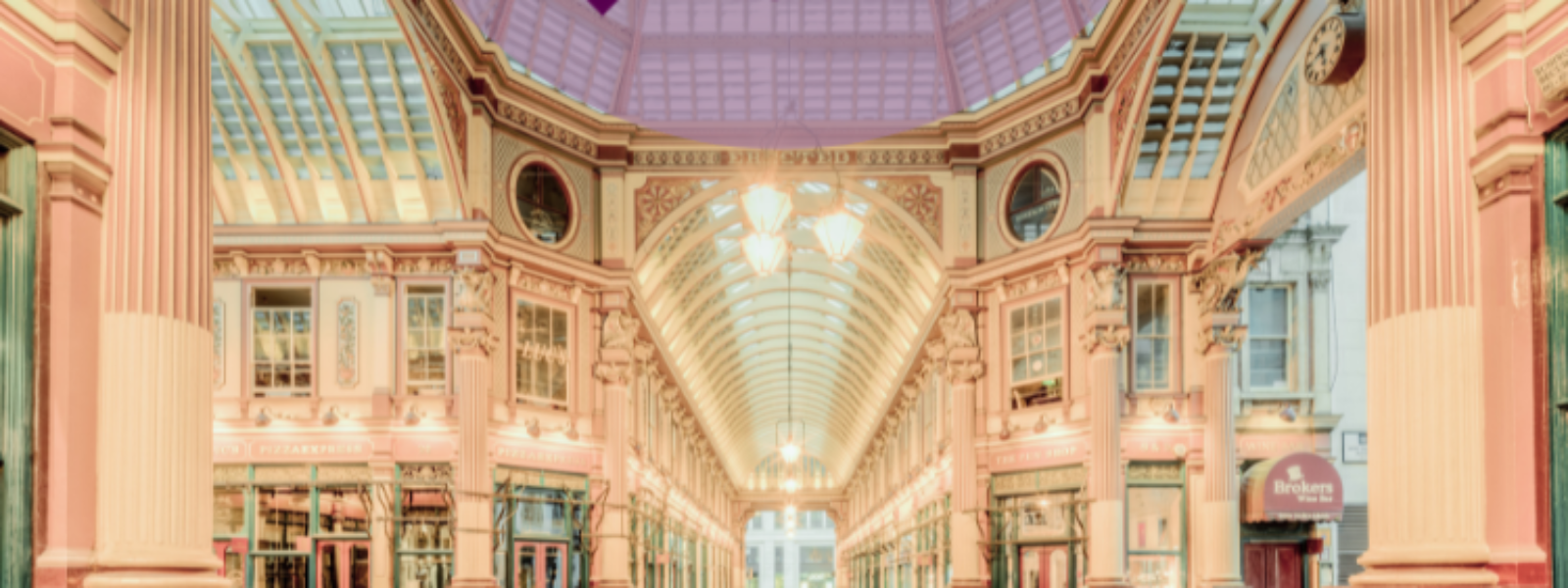
“I am beautiful no matter what they say”! – Aguilera, Christina 2001
The government has recently revised the NPPF and introduced a requirement to consider beauty in all new proposals, which it has set out in a National Model Design Code. Pamela Chesterman, Head of Planning, gives us her thoughts on the recent news.
This causes me to frown, which I cannot avoid doing so liberally at my advancing age! So, this is not a great start.
My concern is that at one stage, the eyesores that are harangued now were once held up and set aloft, described as cutting-edge designs, bringing regeneration to much-needed areas. It seems obvious that the modern technological developments popping up around the country now will one day be named stale, or clinical and be considered ugly in the future.
What happens to Designing out Crime? Do we combine the two and make beautiful crime preventative new buildings/spaces? I mean, it sounds amazing, but is it genuinely possible?
Can we create attractive, safe, useable areas, which provide environmental net gain and contribute to a housing crisis recovery? Again, clearly, it must be possible, but is it too much to ask?
Maybe it is the use of the word itself that has me so uneasy. Whilst society attempts to stray away from perceptions of beauty are we at risk of simply redirecting that aesthetic stamp-of-approval to our built environment? Will there be refusals based on ‘ugliness’. It brings a new meaning to the work beauty-parade.
This seems at total odds with local authorities allowing grass to grow long to encourage environmental improvement and species growth. To some roundabouts with long grass and wildflowers will be messy, but to others, it will be a thing of beauty.
Beauty has been, is and always will be subjective. This seems obvious when you consider it a part of the design principle – the planning profession has struggled for years with the concept of design because it is so subjective. Refusals based on Committees not liking the design of a proposal have often resulted in criticism at appeal, when Councillors without professional qualifications in design have strayed into giving personal opinions on what they consider ‘beautiful’ or ‘ugly’, without having a professional basis or comparative principle to point to by way of supporting assessment.
Ultimately, I struggle to see how things will change. Whilst we still apply a plan-led system and whilst plans are brought into line with the ongoing changes, which require design panels/codes specific to the locality, the decision-maker remains dominant. It might be a rive area for a legal challenge in the future though, at least whilst local authorities are getting their beautiful ideas written down.
If you are asking yourself ‘How do I make this development beautiful?’ and would like to discuss the potential with our team, please feel free to email Pamela@ProsperityLaw.com or call 0151 958 0057.
The Prosperity Law planning team has years of experience working with corporates, government bodies and local authorities, providing legal advice on planning, highways and environmental development.