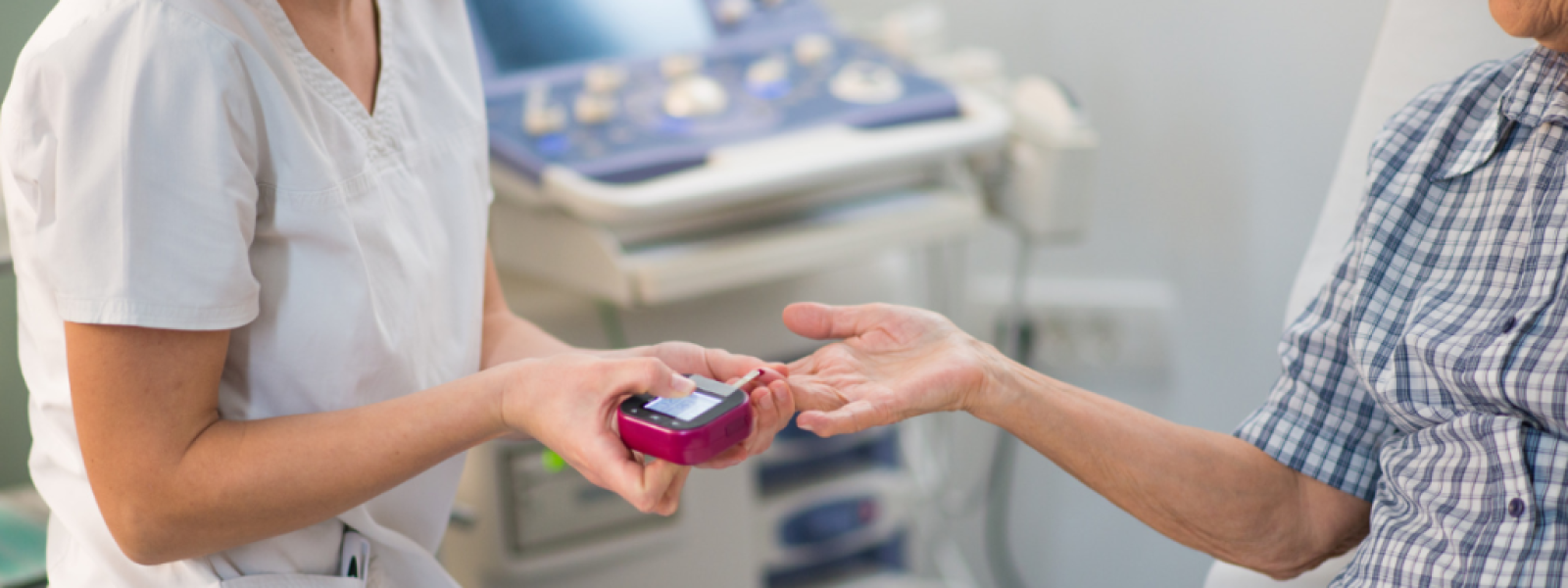
World Diabetes Day, marked every year on 14 November, is a reminder of how many people live with diabetes and how much a diagnosis can change day-to-day life. In this blog, we look at what diabetes is, the different types, the symptoms to watch for, and what can happen when diagnosis or treatment falls short and amounts to medical negligence.
What is diabetes?
Diabetes is a condition that causes your blood glucose (sugar) level to become too high.
There are more than ten types of diabetes. The three most common are:
- Type 1 diabetes is commonly diagnosed in childhood, but it can develop at any age. It is not preventable.
- Type 2 diabetes typically presents itself in a combination of people due to ethnicity, being overweight, age or living with obesity.
- Gestational diabetes can occur during pregnancy. The risk of contracting it can be reduced through lifestyle changes. Gestational diabetes usually goes away after you have given birth.
Prevention and awareness
It is crucial to recognise symptoms of diabetes. Know what to look out for!
- Are you feeling thirsty all the time?
- Are you peeing more than usual?
- Do you feel extremely tired?
- Have you lost weight without trying to?
What are the risks of not taking care of your condition?
Poorly controlled diabetes can lead to life-altering complications. Such as,
- Retinopathy
- Cardiovascular disease
- Nerve damage that may result in limb loss
Self-care beyond clinical treatment: What can patients do?
Managing a non-communicable disease like diabetes requires more than attending appointments and taking prescribed treatment. So, what can you do beyond this?
Treatments for the different types of diabetes vary, but you can still make a difference in how you look after yourself.
- Maintaining a healthy diet, as fruit, vegetables and wholegrain foods are essential for keeping your body healthy.
- Spend at least 2.5 hours a week engaging in a walk or an activity that leaves you out of breath.
- Stop smoking!
- Regulate your alcohol intake. For type 1 diabetes, never drink alcohol on an empty stomach.
- For type 1 diabetes, ensure you always carry something to raise your blood glucose quickly! This could be a sugary drink, treat or glucose tablet.
- Keeping a record of symptoms, medications and test results.
- Therapy
- Occupational therapy
- Meditation
Case study
Tom Hanks revealed his diagnosis of Type 2 diabetes in 2013. He expressed suffering from symptoms, such as high blood sugar levels, for over 20 years before he took measures to get a diagnosis. Although it takes more than a few small changes to his lifestyle, Hanks has said that making changes to his diet, being aware of what he eats, and regular walks with his dog have made the condition manageable.
Medical negligence and diabetes: When things go wrong
Recognising diabetes early can prevent your condition from progressing and having devastating effects. Receiving the correct treatment and monitoring symptoms is crucial to manage your condition. There are therefore sometimes occasions where medical negligence may occur.
Common examples of medical negligence for diabetes include:
Type 1 diabetes:
- Failure to monitor HbA1c levels
- Failure to provide the correct equipment to monitor your diabetes
- Failure to maintain the correct dosage of insulin can result in diabetic retinopathy.
Type 2 diabetes:
- Delay in diagnosis that causes your condition to worsen
- Failure to refer to a specialist
- Failure to recognise deterioration can result in lower limb amputation.
Gestational diabetes:
- Failure to recognise symptoms of Gestational diabetes during pregnancy.
- Failure to monitor your condition during labour
- Delayed induction of labour or caesarean section
- Delayed diagnosis can cause preeclampsia if not treated
- Failure to treat can result in a stillbirth
How we can help
Diabetes is manageable with the right care and support, but that depends on it being recognised and treated properly in the first place. If you or a loved one has been affected by a missed or delayed diabetes diagnosis, or by treatment that didn’t meet the standard you should have received, get in touch with our Medical Negligence team to discuss your situation.